Why move here
A slower, richer life in the hills of Piedmont.
The long version: the land, the table, the seasons, the prices, and what everyday life is really like for those who settle here.
People come to the Langhe for a week of wine tasting and leave already looking at farmhouses. It is easy to see why: few places in Europe combine this much beauty, this much flavour and this much quiet, so close to great cities and airports.
The land: a landscape protected by UNESCO
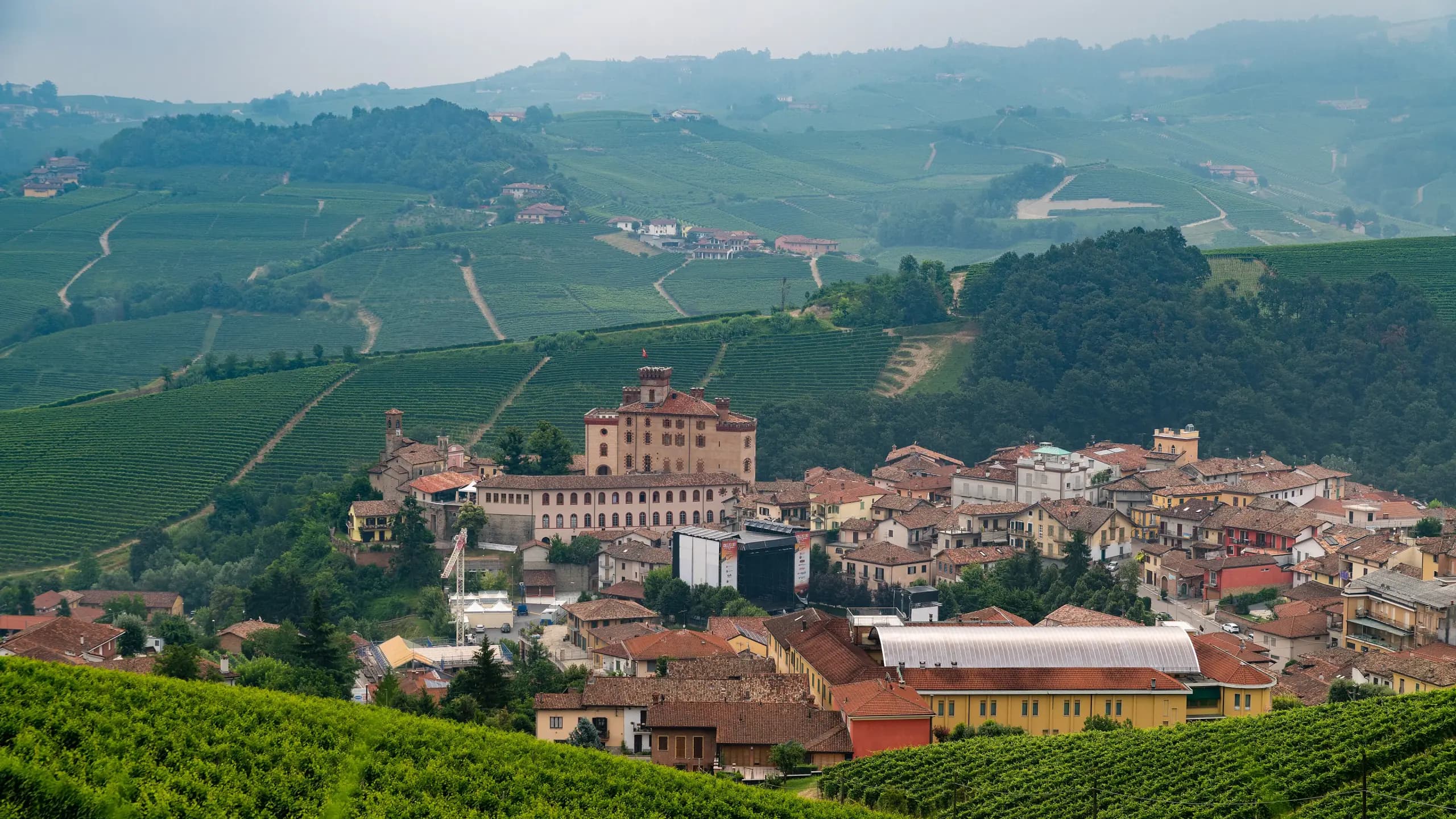
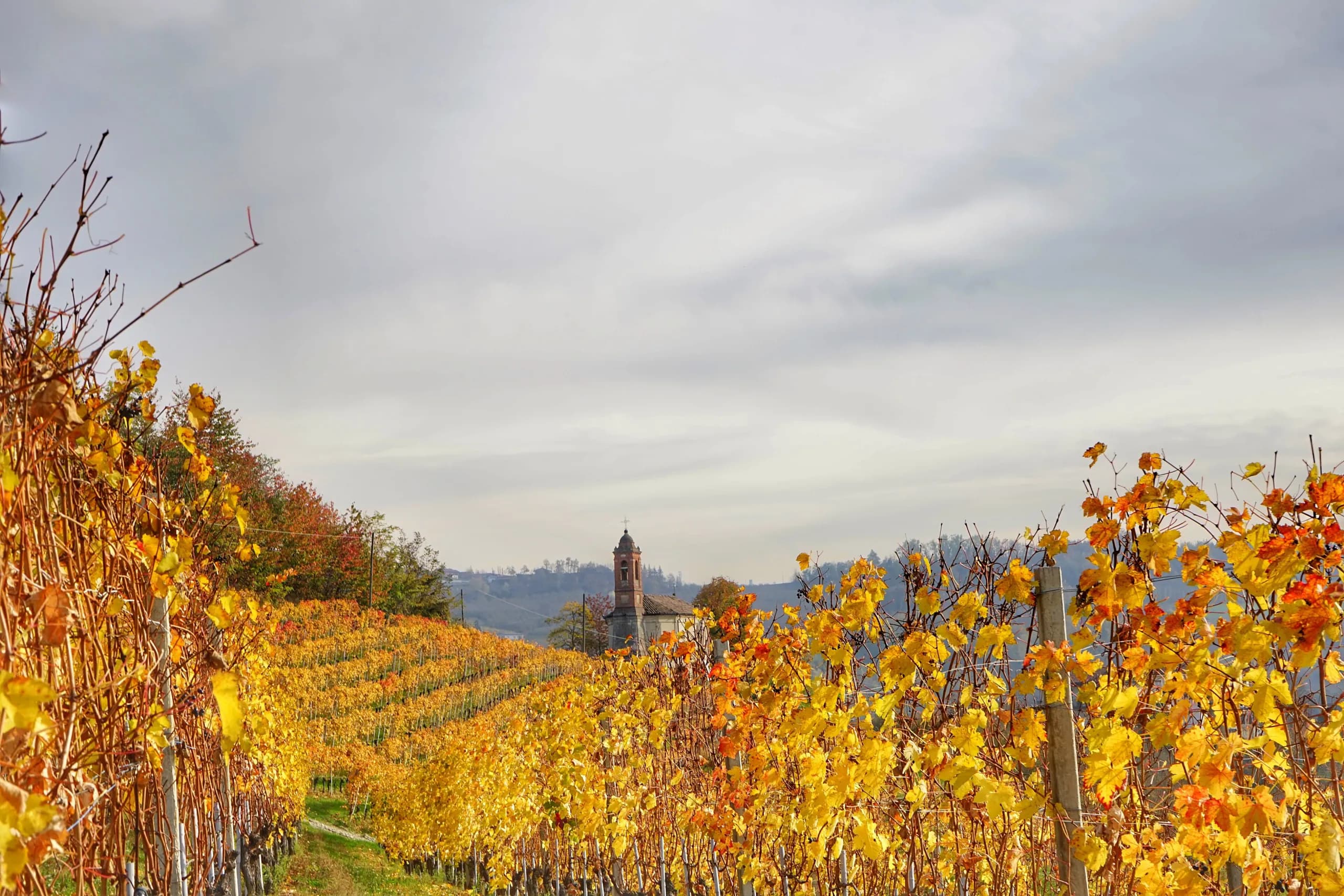
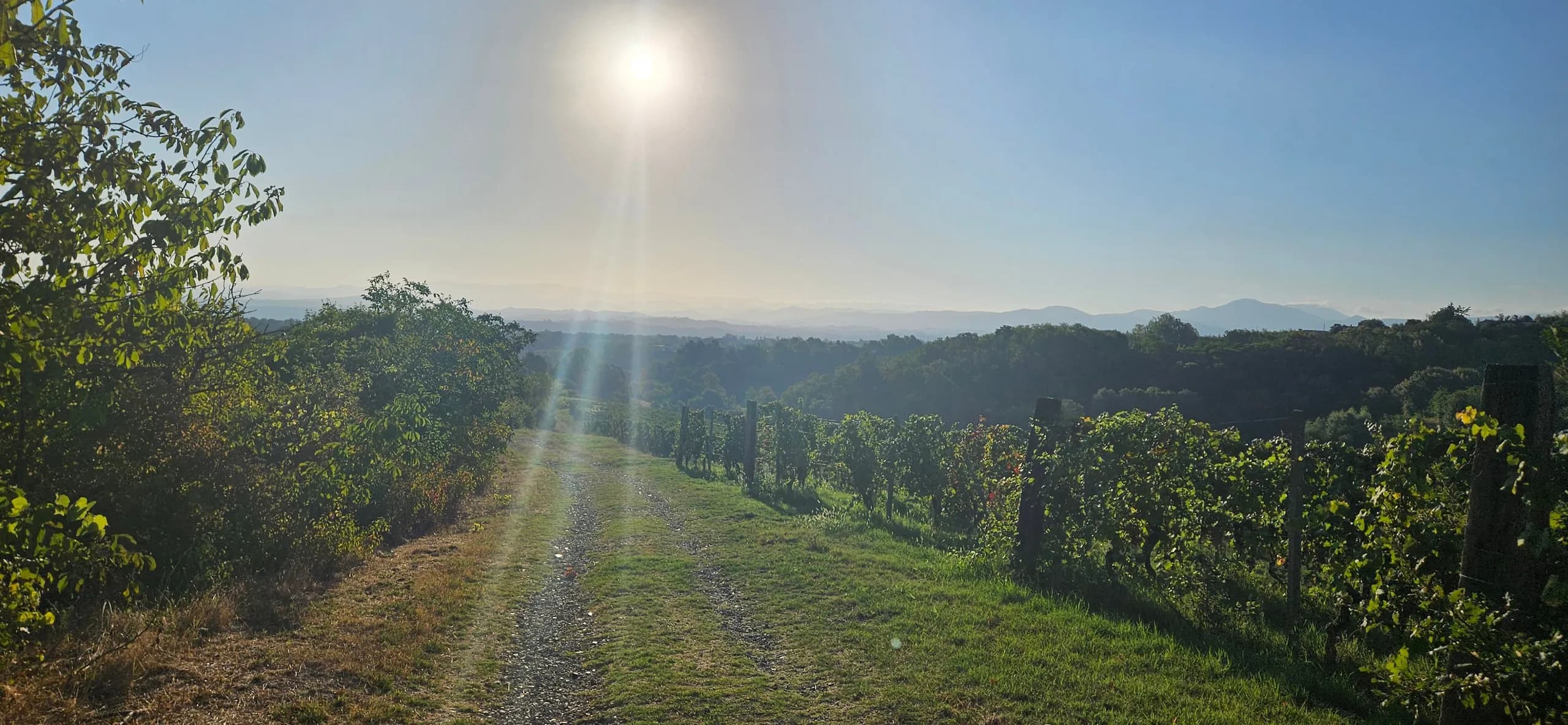
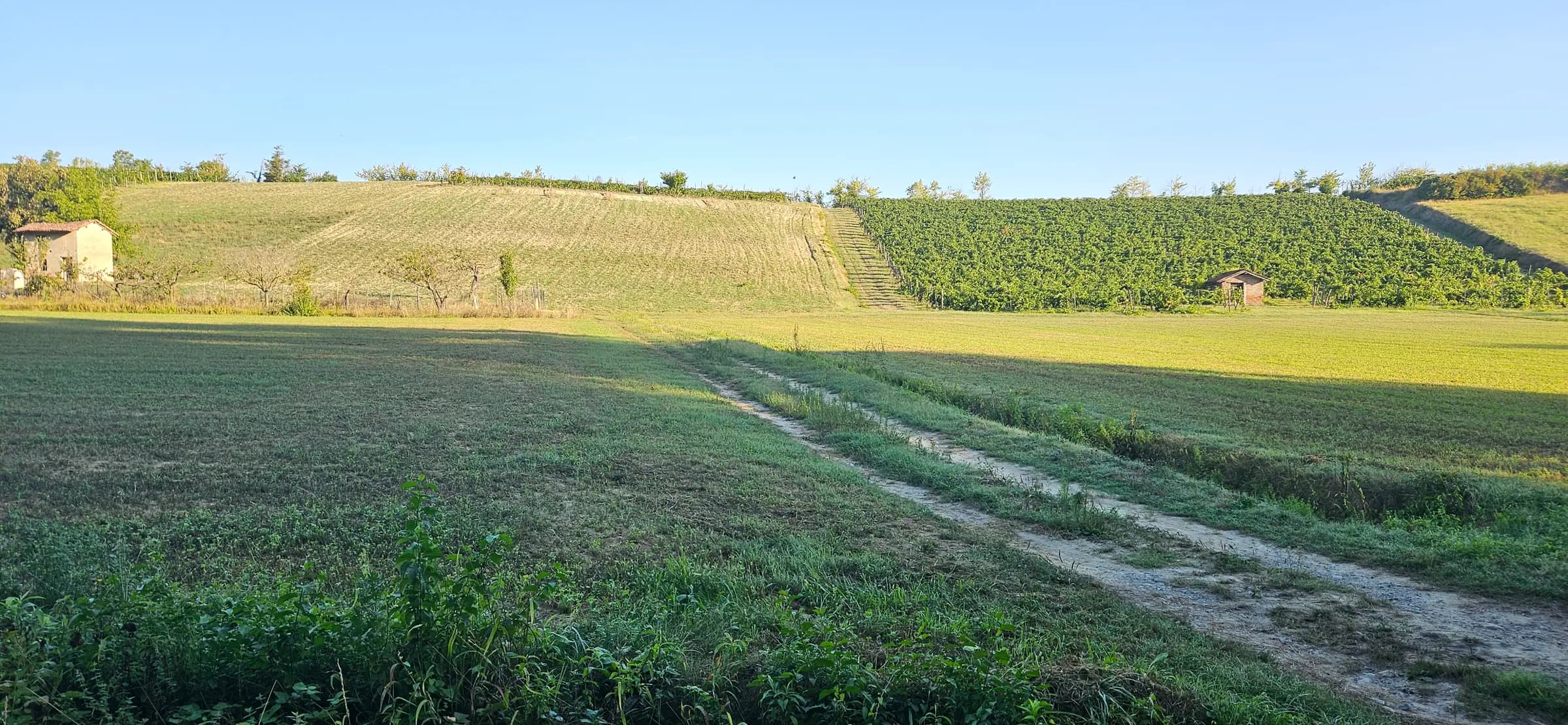
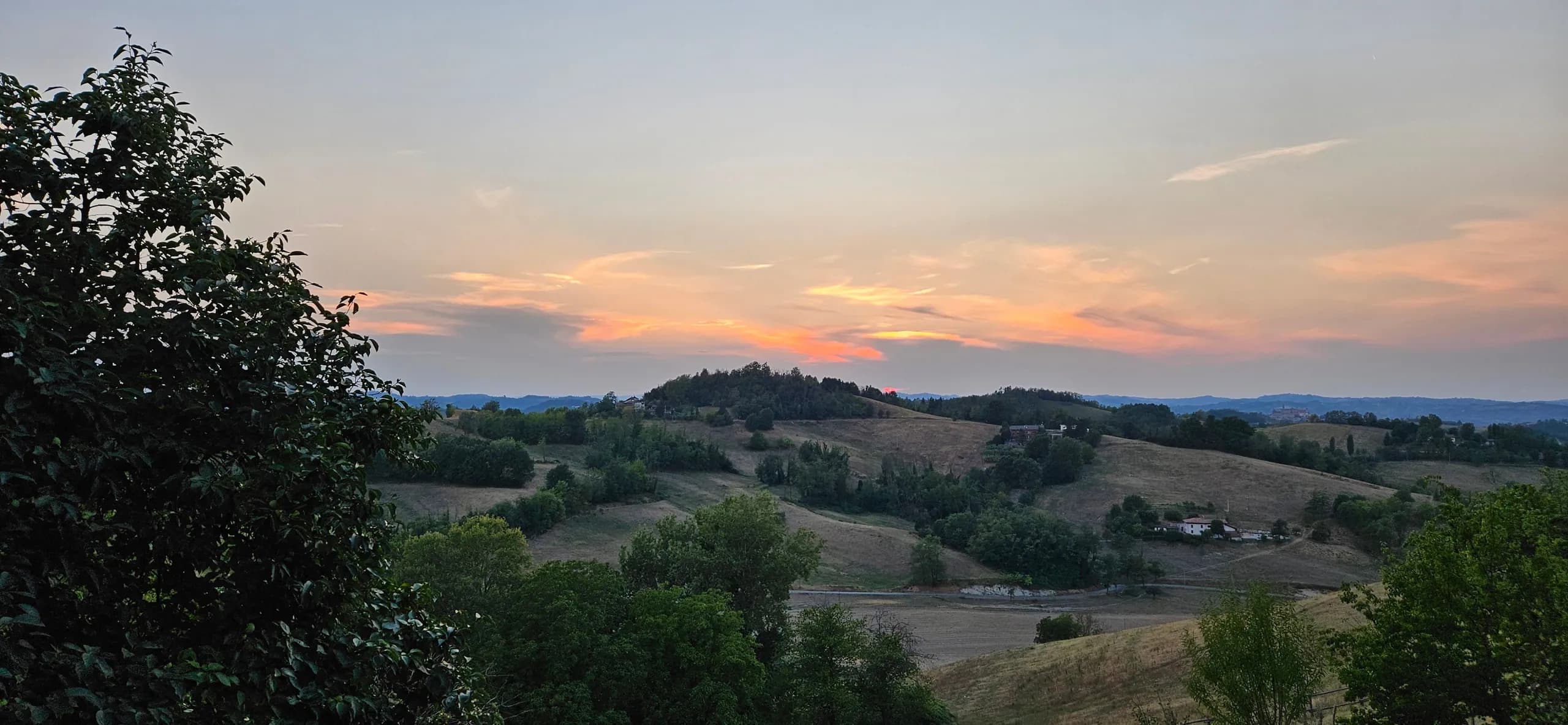
The Langhe are a range of steep, vine-covered hills south of the Tanaro river, around the town of Alba. To the north lies the Roero, to the east the gentler, wider Monferrato. Villages sit on the ridges, often around a castle; hazelnut groves and woods fill the cooler slopes; and on autumn mornings the valleys disappear under a sea of fog.
In June 2014 UNESCO inscribed the “Vineyard Landscape of Piedmont: Langhe-Roero and Monferrato” on the World Heritage List. The site has six components: the Langa del Barolo, the castle of Grinzane Cavour, the hills of Barbaresco, Nizza Monferrato and Barbera, Canelli and Asti Spumante, and the Monferrato of the Infernot. Twenty-nine municipalities sit in its core zone and seventy-two more in the buffer zone around it.
Know the map: not every lovely village is inside the UNESCO site. Rocca Grimalda, for example, is in the Alto Monferrato, just outside the listed area. It is one of the wine villages that signed the Region’s protocol to protect its landscape to the same UNESCO standards. We always tell you exactly where a property sits.
The table: Barolo, truffles and Michelin stars
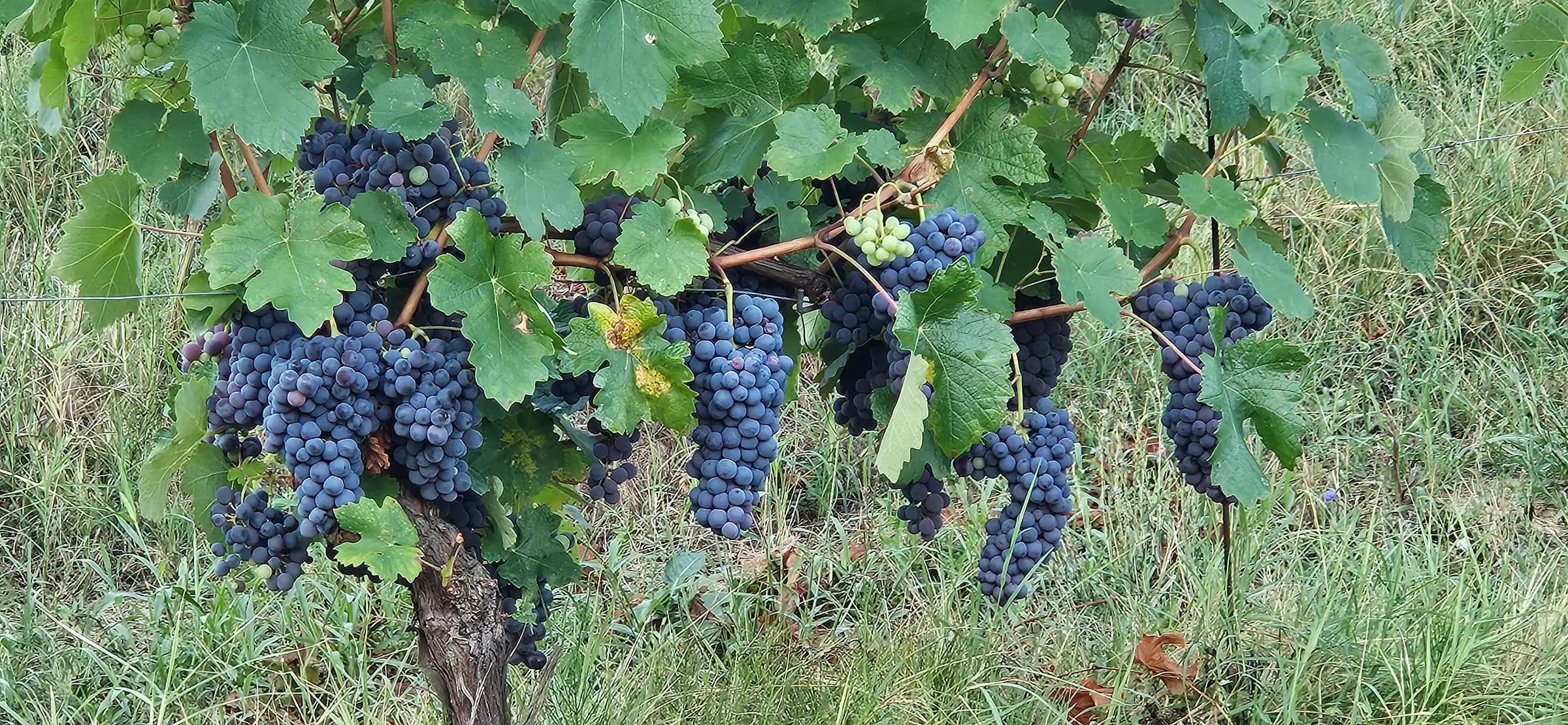
This is the home of Nebbiolo. The Barolo DOCG covers roughly 2,000 hectares across eleven municipalities, and Barbaresco about 800 hectares around Barbaresco, Neive and Treiso. Around them grow Barbera, Dolcetto, Moscato and the Tonda Gentile hazelnut, the pride of Piedmont’s pastry and chocolate makers.
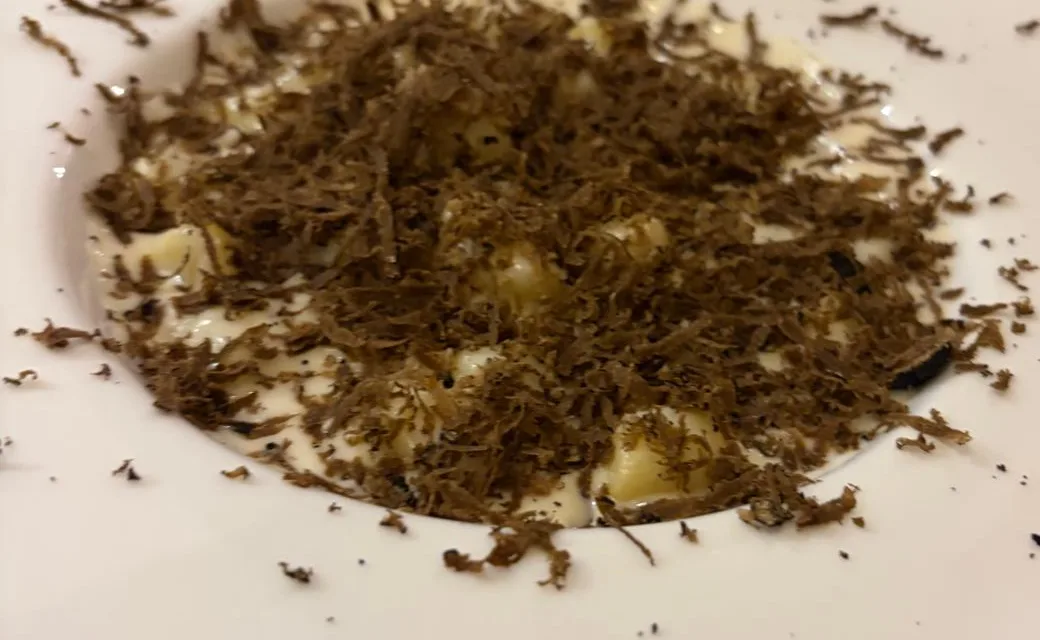
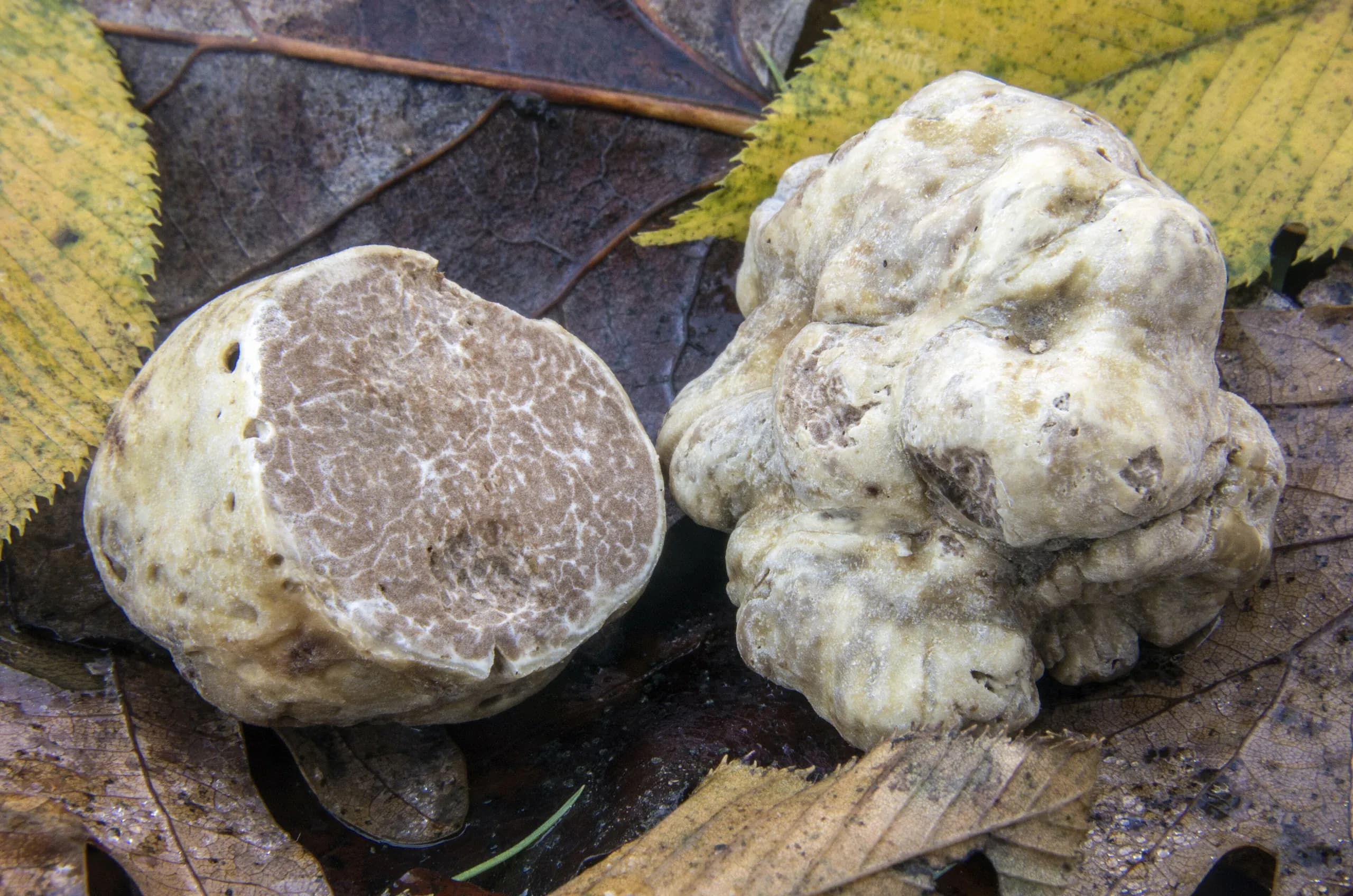
In autumn, Alba becomes the world capital of the white truffle. The International White Truffle Fair reaches its 96th edition in 2026, from 10 October to 6 December, with the truffle market open at weekends.
- Three-Michelin-star restaurants in Italy, 2026
- 15
- Of which in the Langhe
- 2
- Michelin-starred restaurants, province of Cuneo
- 14
- Michelin-starred restaurants, province of Florence
- 12
The two Langhe three-star kitchens are Piazza Duomo in Alba and La Rei Natura by Michelangelo Mammoliti in Serralunga d’Alba. All of Tuscany has one. Piedmont also ties for first place in Italy for Bib Gourmand restaurants, the Michelin list of good food at fair prices, and the Slow Food movement was founded just down the road in Bra in 1986.
The value: Barolo country for less than Chianti
Average asking prices in the four core Barolo and Barbaresco villages (La Morra, Barolo, Monforte d’Alba and Neive) come to about €1,483 per square metre. In seven villages of Chianti and the Val d’Orcia, the average is about €2,603. That makes the heart of the Langhe roughly 43% less expensive, and the Monferrato towns of Rocca Grimalda, Ovada and Nizza Monferrato about 66% less, at around €876 per square metre.
Higher in the hills, in the Alta Langa, average asking prices in villages such as Bossolasco and Cortemilia are in the range of €650 to €800 per square metre. A cascina to restore can still be found for under €100,000 there, while a finished farmhouse with vineyard views in the Barolo hills sells for less per square metre than a flat in Chianti.
At the other end of the scale, village houses that need renovation are listed from around €19,000. Be clear-eyed: these need real work, often a new roof, systems and finishes. Restored farmhouses, by comparison, typically run about €1,000–1,800 per m², and premium vineyard-view homes €3,000 per m² or more.
These are average asking prices from immobiliare.it for September 2026, not sale prices. Small villages have few listings, so treat them as orders of magnitude rather than valuations.
The seasons: four of them, all distinct
Alba has a continental climate: average daily highs of about 5 °C (41 °F) in January and about 29 °C (84 °F) in July, with roughly 950 mm of rain a year, most of it in spring and autumn. Winters bring fog in the valleys and, in some years, snow on the vines.
For anyone arriving from Florida, the change is the point: harvest in September, truffles and fog in November, skiing in the Alps about ninety minutes away in winter, and long green springs.
Getting here and getting around
Turin is about an hour from Alba by car, Milan around two, Genoa under two, and the Ligurian coast at Savona about an hour and a half. Nice and the French Riviera are around three hours away.
For flights home, Milan Malpensa, roughly two hours away, has nonstop services to several US cities, including New York, Newark, Atlanta, Chicago, Boston and Miami. For Florida buyers, the Miami–Malpensa route is the one to know. Turin and Genoa airports have no nonstop US flights, but connect easily through European hubs. Schedules change by season, so check with the airlines when you plan.
Daily life, health care and cost
Il Sole 24 Ore’s 2025 Quality of Life ranking places the province of Cuneo, which includes most of the Langhe, 27th of 107 Italian provinces and rising, ahead of Florence (36th) and Lucca (58th).
Day-to-day life costs far less than most Americans expect. From our experience on the ground, in a small Langhe or Monferrato village, with a small house, you can live comfortably on about €2,500 a month. Crowd-sourced Numbeo figures, which are only indicative, point the same way: living costs including rent are about twice as high in Miami as in Cuneo, the nearest city they track.
Residents can join Italy’s national health service. If you live here on an elective-residence permit (the usual route for retirees and people with passive income), registration is voluntary and costs at least €2,000 per person per year. Our guide to buying in Italy explains the visa and tax side in more detail.
Langhe, Roero, Monferrato: choosing your hills
- The Barolo and Barbaresco hills: the famous names, the greatest restaurants, the highest prices in the area, and views over the world’s most valuable vineyards.
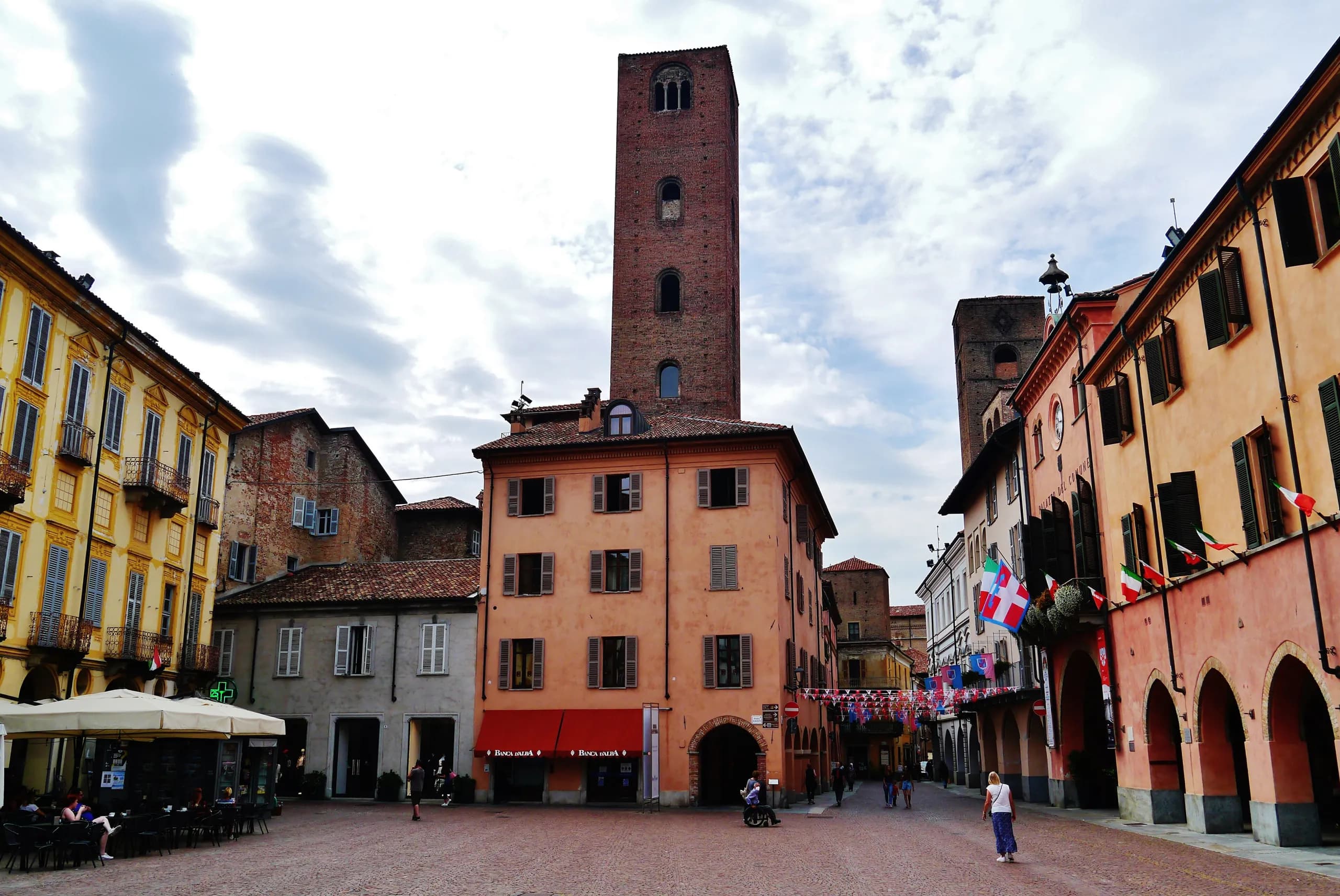
- Alba: a lively small city with shops, schools, markets and services, ideal if you want village life with everything nearby.
- The Alta Langa: higher, wilder and much less expensive. Stone villages, hazelnut groves and long views to the Alps.
- The Roero: sandy hills across the Tanaro, known for Arneis and Nebbiolo, and quietly beautiful.
- The Monferrato: wide, rolling and the most affordable, with Barbera vineyards, castles and villages such as Nizza Monferrato and, in the Alto Monferrato, Rocca Grimalda and Ovada.
Beyond the hills
In Piedmont, nothing is far away.
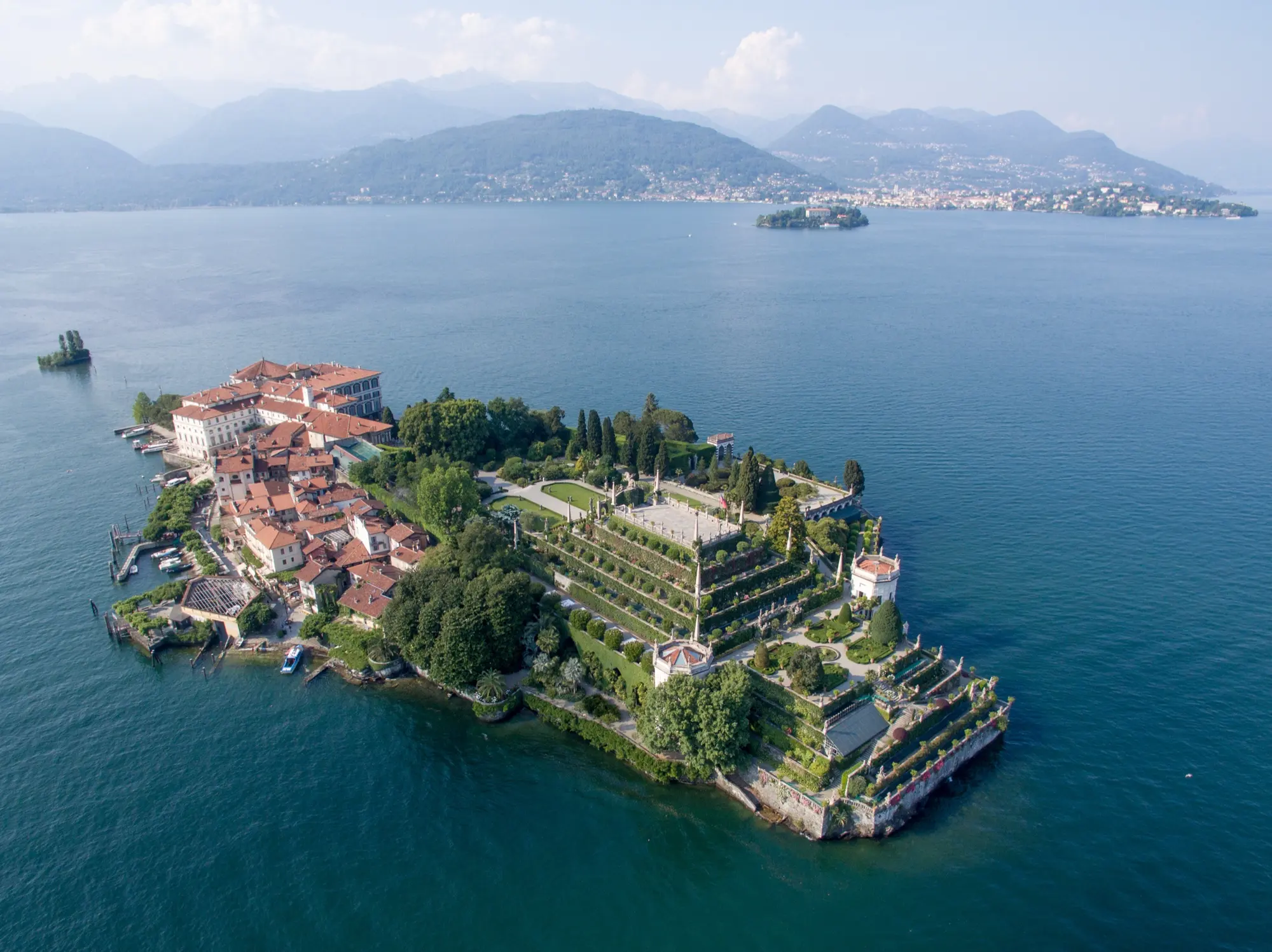
Within a morning’s drive, ski beneath Mont Blanc, the highest peak in the Alps, or on the slopes of Monte Rosa, Piedmont’s own 4,000-metre giant. Then come back down to Lake Maggiore and Lake Orta, to caves and waterfalls, and to the hills and wine producers you call home.
Questions we’re often asked
Can Americans buy property in Italy?
Yes. Italy allows foreign nationals to buy property where their country offers Italians the same right, and the United States meets that condition. You will need an Italian tax code (codice fiscale), which an Italian consulate can issue for free.
Is the Langhe really cheaper than Tuscany?
On average asking prices, yes. In September 2026 the core Barolo and Barbaresco villages averaged about €1,483 per m², against about €2,603 in seven Chianti and Val d’Orcia villages, roughly 43% less. Individual properties vary widely.
How much does it cost to live in the Langhe?
From our experience on the ground, in a small Langhe or Monferrato village, with a small house, you can live comfortably on about €2,500 a month.
What is the cheapest way to buy a house here?
Village houses that need renovation are listed from around €19,000. They need real work, often roof, systems and finishes. Restored farmhouses typically cost about €1,000–1,800 per m².
How far is the Langhe from an international airport?
Turin is about 1 h 20 from Alba, and Milan Malpensa, which has nonstop flights to the United States, is roughly two hours away by car.
Is Rocca Grimalda part of the UNESCO site?
No. Rocca Grimalda is in the Alto Monferrato, just outside the UNESCO-listed vineyard landscape. It signed the Region’s protocol to protect its landscape to the same standards.
Ready when you are
Let’s find your corner of the hills.
Tell Biagio how you’d like to live, and he’ll suggest the villages, and the homes, that fit.
Start a conversation